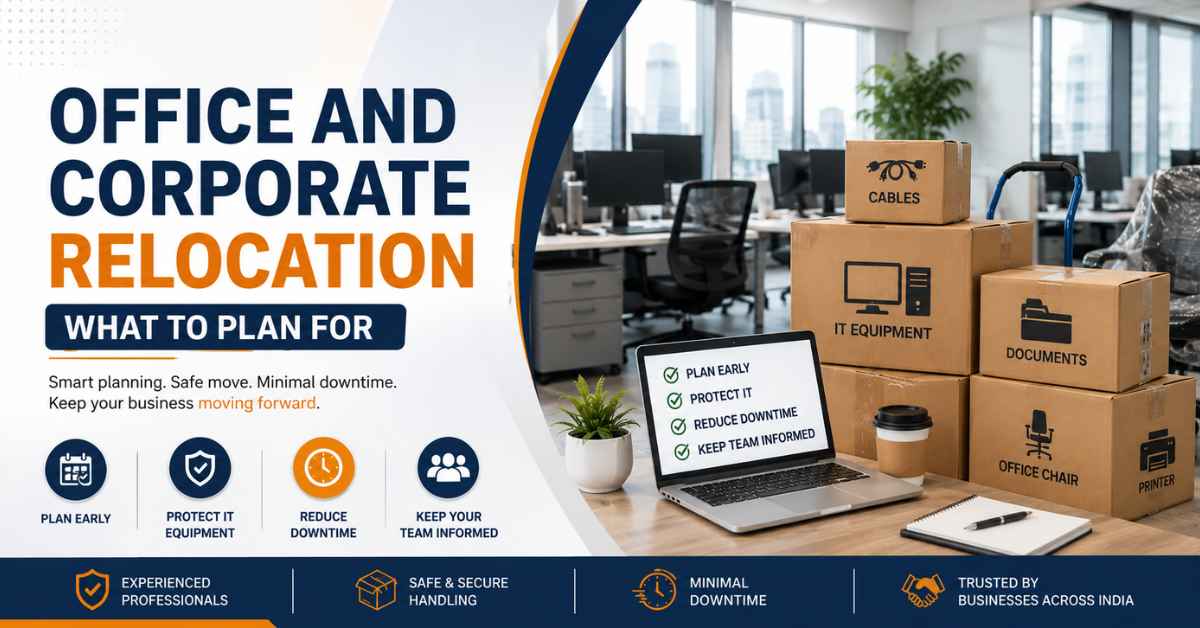
Why Office Relocation Needs Extra Planning
Moving a home is one thing. Moving an office is a different challenge. An office has computers, printers, files, and furniture. It also has a team of people who depend on the office to do their work. A poorly planned office move can cost a business money and time.
Have you ever thought about what would happen if your office could not operate for even one full day? That lost time can affect your clients and your team. That is why planning an office move properly is so important.
Step One: Make a Relocation Plan Early
Start planning your office move at least two to three months in advance. This will give you enough time to prepare without rushing. Here is what to include in your plan:
- Set a Move Date: Choose a date when your business is least busy. Avoid moving during peak work seasons or important project deadlines.
- Assign a Move Coordinator: Pick one person from your team to manage the move. This person will communicate with the moving company and keep everything on track.
- Create an Inventory List: An inventory list is a complete record of all your office items. Write down every desk, chair, computer, and file cabinet. This list helps you track everything and makes sure nothing is left behind.
Step Two: Protect Your IT Equipment
IT equipment includes computers, servers, printers, and cables. These items are expensive and sensitive. They need extra care during a move.
- Back Up All Data: Before anything is packed, back up all important data. Save files on a cloud system or an external hard drive. This step protects your business from data loss.
- Label All Cables: Computers and servers have many cables. Label each cable clearly so that your IT team can set everything up quickly at the new office.
- Use Proper Packing: Use original boxes for IT equipment when possible. If the original boxes are not available, use padded packing materials to protect the equipment from bumps and knocks.
Step Three: Plan for Downtime
Downtime means the time when your business cannot operate. Every office move has some downtime. The goal is to keep it as short as possible.
- Move in Phases: Instead of moving everything at once, move in stages. Start with items that are not used every day. This way, some parts of the office can keep working while others are being moved.
- Inform Your Clients: Tell your clients about the move in advance. Let them know if there will be a short time when you are not reachable. This builds trust and avoids confusion.
- Set Up Internet First: At the new office, make sure the internet and phone lines are active before moving day. This reduces the time your team is without communication tools.
Step Four: Coordinate with Your Employees
Your employees are a big part of the move. Keep them informed and involved at every step.
- Share the Plan: Tell your team about the move date and what their role will be. When people know what to expect, they feel less worried.
- Assign Tasks: Give each department a simple task. For example, ask the finance team to pack their own files and label the boxes correctly.
- Celebrate the New Space: A new office is a new beginning. Plan a small welcome event at the new space to help your team feel positive about the change.
Choosing the Right Corporate Moving Partner
Not all moving companies handle office relocations. You need a company that has experience with corporate moves. National Shifting works with verified movers who understand the needs of a business relocation. They handle IT equipment, large furniture, and confidential files with care.
A good moving partner will give you a clear timeline, assign a dedicated team, and make sure your office is ready to work as soon as possible after the move.
An office move does not have to be stressful. With the right plan and the right team, you can move your business smoothly and get back to work quickly. Start early, protect your equipment, keep your employees informed, and choose a moving partner you can trust.